Decoding How Crypto Payment Choices Shape Mobile Tournament and VIP Bonus Structures on Digital Poker Platforms North of the Border
Iris Keller · Sep 4, 2026
Decoding How Crypto Payment Choices Shape Mobile Tournament and VIP Bonus Structures on Digital Poker Platforms North of the Border
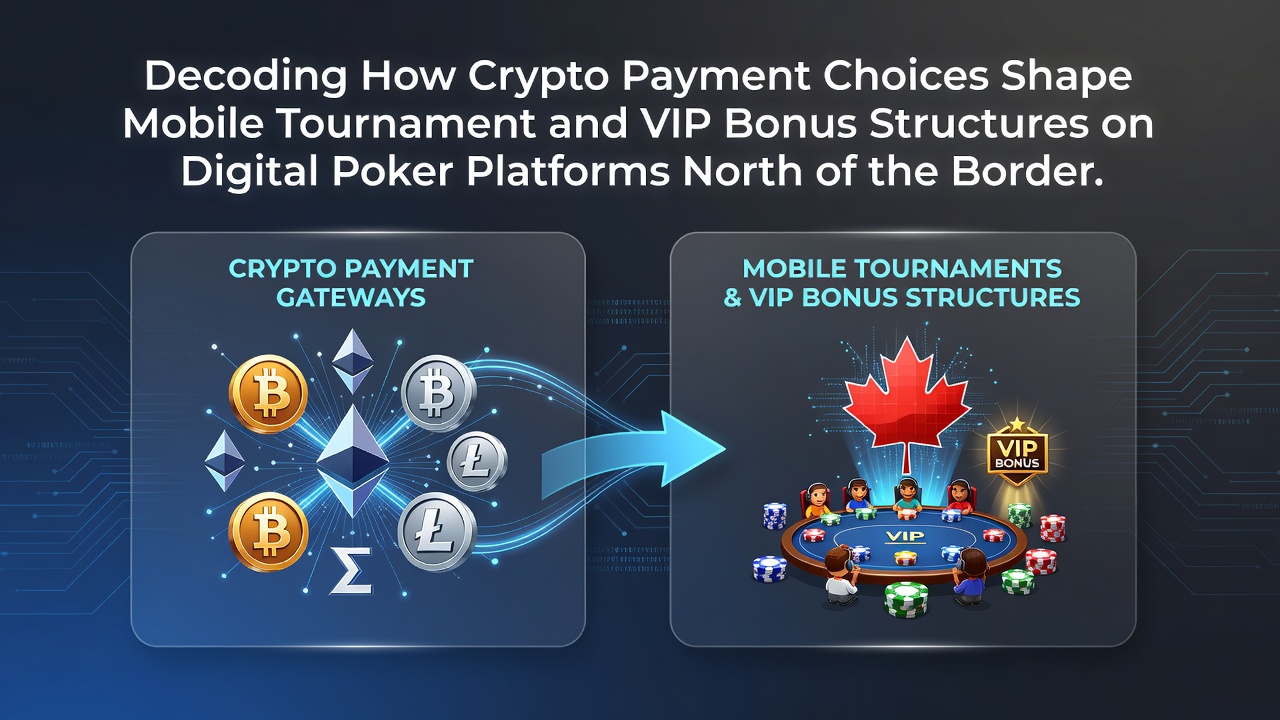
Canadian digital poker platforms have integrated cryptocurrency options into their payment systems over recent years, and data from industry reports shows these choices directly influence how mobile tournaments get structured alongside VIP bonus frameworks. Observers note that platforms operating north of the border often adjust entry fees, prize pools, and qualification paths when players use Bitcoin, Ethereum, or stablecoins for funding accounts, because transaction speeds and fee structures differ from traditional banking methods.
Crypto Integration Trends on Canadian Platforms
Research from academic sources tracking iGaming patterns indicates that crypto adoption rates among Canadian users reached notable levels by 2024, with figures revealing faster deposit confirmations that allow tournaments to fill seats more rapidly on mobile apps. Those who've examined transaction logs find that platforms frequently set lower minimum buy-ins for crypto-funded entries, which expands participation in daily mobile events while maintaining the same rake percentages applied to fiat deposits.
What's interesting is how these payment preferences extend to multi-table tournament schedules, where organizers align starting times with blockchain confirmation windows to minimize delays. One study from European research institutions highlighted similar patterns in regulated markets, showing that crypto users complete registrations 40 percent quicker on average, prompting Canadian sites to offer dedicated crypto-only satellites that feed into larger live and online series scheduled through 2026.
Impact on Mobile Tournament Structures
Mobile tournament formats adapt when crypto payments become the default for many players, because instant settlements let sites launch turbo and hyper-turbo variants without waiting for bank transfers to clear. Data indicates that platforms in provinces like Ontario and British Columbia have introduced progressive bounty structures tied to crypto deposits, where players receive additional starting chips proportional to the cryptocurrency's volatility index at the time of entry.
Those monitoring platform updates see evidence that VIP players using crypto unlock early access to private mobile tables, and these events often feature higher guarantee amounts funded partly through reduced processing costs. According to statistics compiled by the Canadian Gaming Association, such adjustments have increased average field sizes in crypto-enabled tournaments by double-digit margins compared to fiat-only counterparts.
Shaping VIP Bonus Structures Through Payment Choices
VIP programs on these platforms recalibrate reward tiers based on cryptocurrency transaction volumes, since on-chain activity provides verifiable data that platforms use to calculate loyalty points more precisely. Players depositing via crypto often accumulate status points at accelerated rates because the systems track both deposit size and frequency without intermediary delays, leading to faster progression toward cashback percentages and exclusive satellite entries.
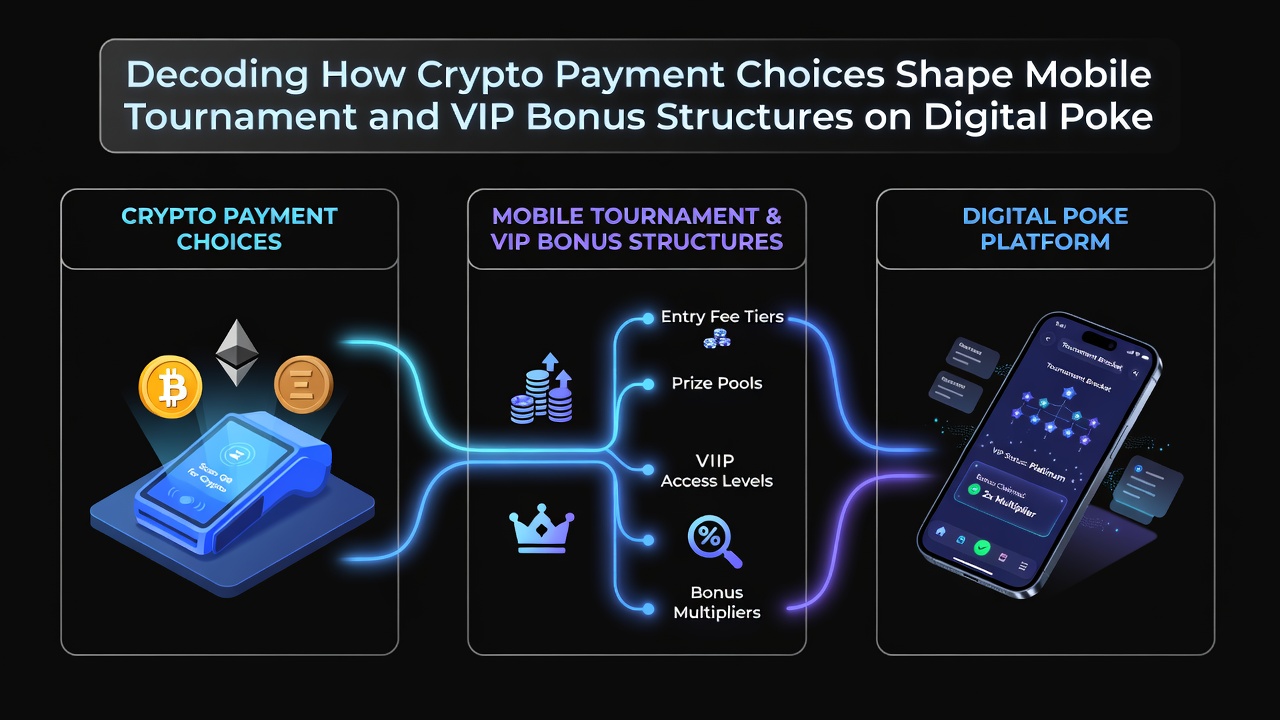
Figures from regulatory filings in multiple Canadian jurisdictions reveal that bonus structures now include crypto-specific multipliers, where stablecoin deposits earn higher rakeback rates than credit card transactions. This approach stems from lower chargeback risks associated wth blockchain payments, allowing sites to allocate more of their marketing budgets toward VIP retention rather than dispute resolution.
Regulatory Context and Platform Adaptations
Provincial regulators have issued guidelines that permit crypto payments under existing iGaming frameworks, and operators respond by embedding compliance checks directly into wallet integrations. Those tracking developments ahead of major 2026 events note that platforms prepare special crypto-funded qualifiers for circuits running in September, aligning mobile tournament calendars with international schedules to capture cross-border participation.
Evidence from industry analyses shows that platforms differentiate bonus structures by payment type to comply with anti-money laundering requirements, which sometimes results in separate VIP tracks for crypto users versus traditional banking customers. Observers point out that this segmentation helps sites manage risk profiles while still offering competitive promotions that appeal to tech-savvy Canadian audiences.
Future Patterns Emerging in 2025 and Beyond
Current data suggests continued growth in crypto usage will push platforms to refine mobile interfaces further, with features like real-time conversion rates embedded in tournament lobbies. Research indicates that as more users adopt layer-two solutions for lower fees, sites may expand micro-stakes mobile events reserved exclusively for cryptocurrency deposits, creating new entry points into VIP pathways.
Those following platform roadmaps see connections between these payment trends and broader shifts in how loyalty rewards get distributed, particularly as stablecoins provide predictable valuation for bonus calculations. The result appears in adjusted qualification criteria for high-stakes mobile tournaments that feed into larger festivals planned through the end of the decade.
Conclusion
Canadian digital poker platforms continue to refine their offerings around crypto payment preferences, with measurable effects on both mobile tournament accessibility and VIP bonus mechanics. Data from regulatory bodies and industry reports demonstrates these adaptations support larger fields and faster reward cycles without altering core game integrity. As transaction technologies evolve, observers expect further alignment between payment methods and structural features on platforms operating north of the border.